A Calm Kit-Bag Reset Before the Season
A cricket kit-bag reset shows what is ready, what needs airing and what is missing before your next session, so you can pack with less rummaging.
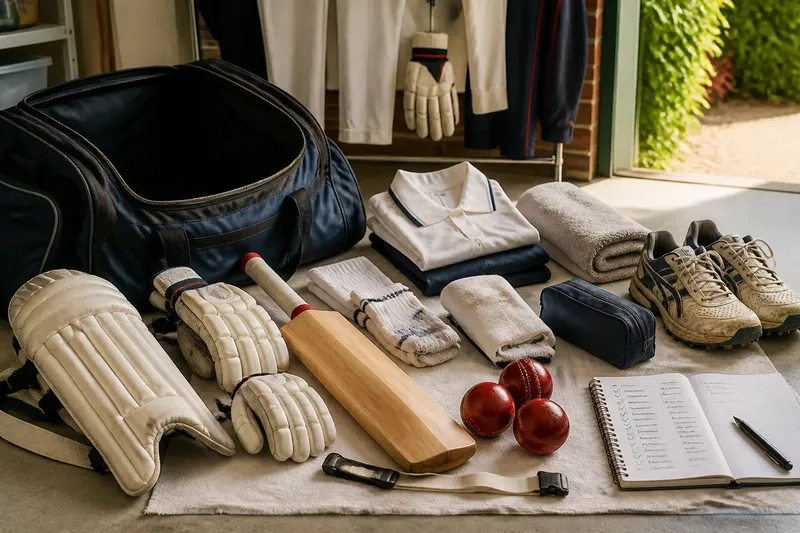
A cricket kit-bag reset is most useful before you buy anything: empty the bag, let the contents breathe, then return only what you can identify and expect to use. That order replaces a vague suspicion that something is missing with a clear view of the kit already on hand. It also makes the first trip to nets less likely to involve rummaging through damp socks.
Choose a dry place and empty the bag completely
Set the bag on a clean, dry floor with enough room to spread its contents. A garage, utility room or sheltered outdoor space can work, provided the kit is out of direct heat and weather. Put down an old sheet if the bag tends to shed grass, dust or dried mud.
Take everything out, including items tucked into side pockets and the small compartment where loose tape and receipts tend to acquire tenure. Keep the empty bag open. Do not sort items back into pockets as you find them; that makes it harder to see what is there and encourages the familiar system of putting everything back exactly as it was.
Make three temporary groups: kit you recognise and expect to use, items needing attention, and items whose purpose or ownership is unclear. These are working piles, not verdicts. A spare item may be useful, while an unrecognised object may turn out to be the buckle from the bag rather than an entirely new category of cricket equipment.
Air kit before judging its condition
Separate damp or enclosed items first. Take out clothing, towels, gloves, pads and any removable inner pieces. Open fastenings and loosen straps so air can reach folded areas. Lay items flat or hang them in a ventilated place, away from direct sunlight, radiators and other strong heat sources.
Leave the bag open while it airs. If its lining is visibly dirty, wipe it with a lightly damp cloth and allow it to dry fully before packing. Avoid masking stale smells with fragrance. Scent added to a closed bag is temporary, and usually more noticeable than intended.
Air does not repair damage, but it makes inspection easier and can reveal dampness, residue or a smell that needs proper cleaning. For washing, drying and storage, follow care labels and the equipment maker’s instructions; materials and finishes do not all respond to the same treatment.
Inspect each item while it is laid out
Work through one kind of kit at a time. Look over clothing for dirt, torn seams and missing fastenings. Check pads and gloves for loose straps, damaged closures or split surfaces. Examine the bag’s zips, handles, seams and pockets, and set aside detached parts that might belong to it.
For a bat, check that the handle feels secure and look for visible damage rather than attempting a repair you are not equipped to do. Check footwear for loose studs, worn fastenings or debris lodged in the sole. Inspect balls for their condition and keep any that are not suitable for the session out of the ready-to-pack group.
This is a condition check, not an invitation to turn every piece of kit into a project. Note an item that needs attention, then decide whether it is suitable for use, needs care, or should be kept out of the playing kit. If a protective item is damaged or its suitability is uncertain, do not treat a tidy appearance as proof that it is fit for use; ask the manufacturer or a qualified equipment specialist where appropriate.
Build an inventory from what is actually there
Before anything goes back in, make a short inventory. A note on your phone or a sheet kept with the bag is enough. Record each item, its state and any action needed. “One batting glove, strap closure needs checking” is more useful than “gloves”. The point is to capture a decision you can act on, not to create a catalogue worthy of a museum with a damp corner.
Say you find two pairs of socks, a towel, one batting glove and a loose strap at the bottom of the bag. Put the socks and towel with clothing, keep the glove with the other protective kit, and set the strap beside the bag until you can identify what it fits. The result is a clear inventory of useful items and one small unresolved question, rather than a bag in which the strap has been buried again.
Use the inventory to separate “ready to pack” from “needs attention”. If something seems to be missing, check likely storage places before shopping. If an item is present but no longer suitable for its intended use, record that distinction plainly. A list makes it easier to replace a genuine gap instead of buying a second version of something already hidden in a side pocket.
Use these checks to decide what goes back
- Check clothing for dampness; if it is damp, air it separately, then pack it only when dry, or leave it out until it is ready.
- Check gloves and pads for loose straps or damaged closures; if a closure is sound, return the item to the ready group, but if it is damaged or uncertain, set it aside and ask the maker or an equipment specialist about suitability.
- Check the bat handle for movement and the bat for visible damage; if it appears secure and intact, keep it with ready kit, but if damage or movement is apparent, keep it out and seek suitable advice.
- Check footwear for loose studs, worn fastenings or lodged debris; if it is clean and secure, pack it, but if a part is loose or damaged, leave it out until addressed.
- Check each ball for visible wear and suitability for the planned session; if it is appropriate for that use, pack it, but if not, separate it and choose a suitable ball already available.
- Check the bag’s zips, handles and seams; if they work and hold together, use the bag, but if a fault could spill or damage kit, set the bag aside and use another suitable carrier.
Arrange the bag around the next session
Once the contents are dry and sorted, pack for access rather than appearance. Put heavier items where the bag carries them comfortably, and keep small loose objects together in a pouch or a fastening pocket. Store clean, dry clothing separately from used or damp items, using a washable bag if that suits the kit you own.
Keep the items needed first easy to reach. That might mean placing shoes in a separate compartment or putting a towel and spare shirt near the top. Keep sharp-edged or dirty objects away from delicate clothing, and avoid forcing zips closed around bulky kit. A bag that closes without wrestling is more useful than a perfectly compressed one.
Do not pack every spare item just because it survived the sorting. Choose what belongs in the bag for the next session, and store the rest cleanly elsewhere. The aim is not to strip the bag to a minimalist ideal; it is to stop it becoming a moving cupboard for kit with no assigned purpose.
Keep the reset going after each session
A short return routine prevents the bag from becoming a sealed container for wet clothing and forgotten snacks. After playing, remove used clothing and towels, open the bag, and let anything damp dry before it goes back into storage. Return loose items to their usual pockets or pouch, and note anything that needs care or replacement.
Before the next session, use the inventory as a prompt rather than assuming the bag is ready because it is full. Check the items marked for attention and add only what the session requires. A readable record of what is present is more practical than repeatedly buying kit on suspicion.
What should you check before packing?
How do I get a stale smell out of a cricket kit bag?
Empty the bag, air it open in a dry, ventilated place and clean visible dirt using a method suitable for its material. Let the lining dry before repacking; fragrance only covers the smell and can leave its source untouched.
Should I replace old cricket kit before the season?
Not simply because the season is approaching. Inspect what you own, identify damage or items no longer suitable for their purpose, and replace only a confirmed gap or an item that needs to be retired.
What belongs in a cricket kit bag?
Pack the equipment, clothing and personal items needed for the session you are attending, along with any useful spare you can keep clean and dry. The right contents depend on your role and the session, so a short inventory is more reliable than copying someone else’s bag.
How often should I air my cricket kit?
Air damp or enclosed items after use rather than waiting for a pre-season sort. Open the bag whenever wet clothing or towels have been inside, and store the contents only once they are dry.
Leave the bag ready for a clean start
When the inspection is done, keep the inventory somewhere easy to find and leave the bag open until its lining is dry. The next cricket kit-bag reset can then begin with a check of what is already ready, rather than a full rummage. Keep the note current when kit is repaired, moved or retired; otherwise it becomes a record of a bag you no longer own in any meaningful sense.